
Recent Posts
-
 BNH Real Estate Developer launches Equiti Casa in Al Warsan 4
 -
 Understanding the 7% Rule in Dubai Real estate: A Guide for First-Time Investors
 -
 A look at Flexible Financing in Dubai’s real estate
 -
 New to Investing in Dubai Real Estate? Use the 7% Rule to Gauge Your Property’s Potential
 -
 Stop asking “is it a good time to Buy?”
 -
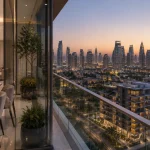 What Makes a Property in Dubai Feel Expensive Even When It Isn’t?
 -
 Beyond the View: The Hidden Factors That Determine a View’s Long-Term Property Value in Dubai
 -
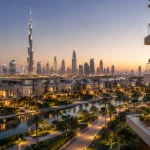 Why Convenience is Becoming More Valuable Than Square Footage
 -
 The New Rules of Property in Dubai: Thinking Beyond Today
 -
 Timelines Are Becoming the New Currency in Dubai’s Real Estate! Here’s Why!
 -
 The New Buyer Mindset Driving Dubai Real Estate in 2026
 -
 Living in Luxury “Dubai – REDEFINED”
 -
 Is Al Warsan the next talk of the Town?
 -
 Fractional Ownership in Dubai: The Future of Smart Property Investment
 -
 Why Mid-Market Properties May Outperform Luxury in the Next 5 Years
 -
 Equiti Tower to Bring Quality Residential Living to Al Warsan
 -
 Equiti Gardens at Al Furjan: Where Arabian Elegance Meets Modern Living